
Entry Level Wardrobe: What to Buy for Your First Office Job (2026)
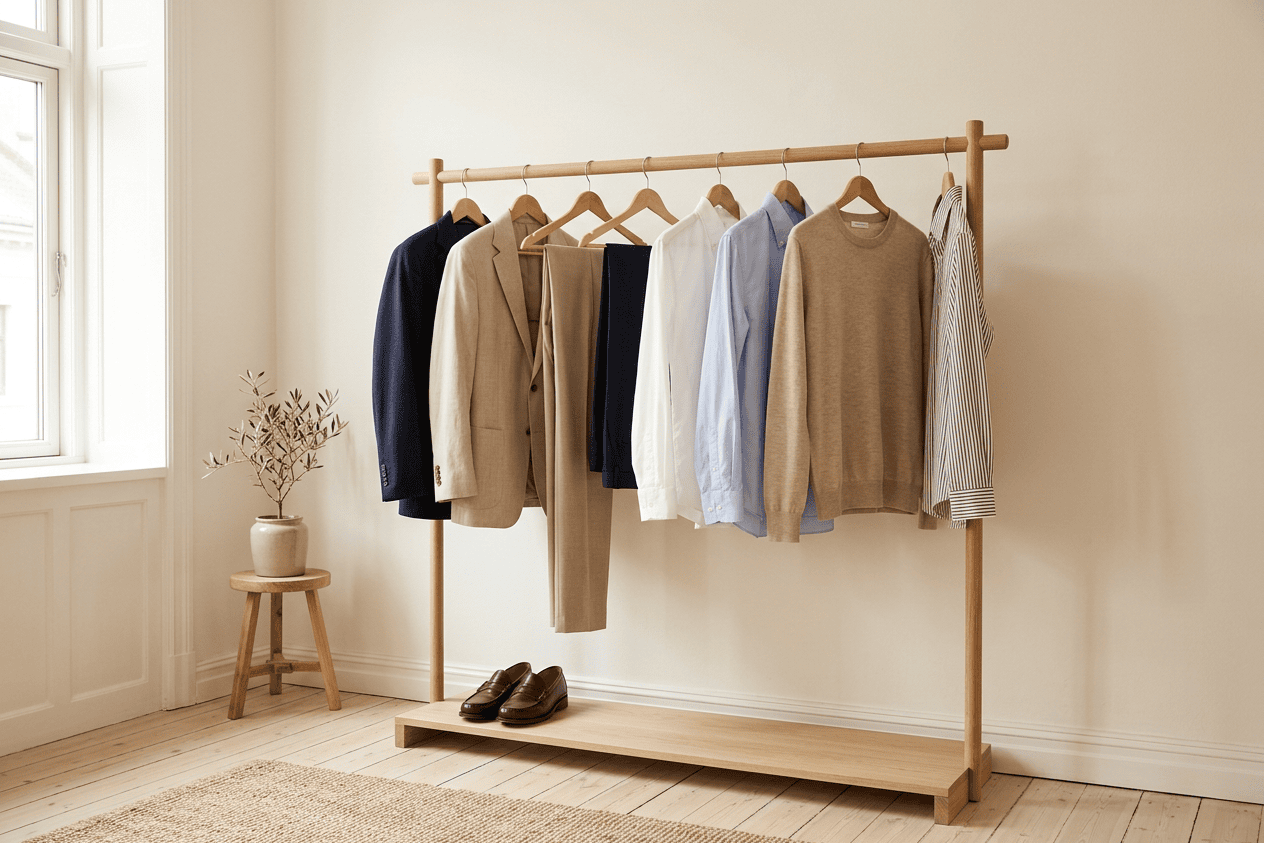
Your first office job comes with a quiet problem: you need a work wardrobe, and you probably have a student or weekend closet and a small budget. An entry level wardrobe does not need to be big. It needs a dozen pieces that fit well, mix with each other and survive a week of repeated wear.
This guide gives you a buying list, a way to decide where to spend, and formulas for the first two weeks. If you already have a job and want fast daily outfits, see our outfit ideas for work. If you are heading to an interview first, start with job interview outfit ideas.
Step 1: Find Out the Dress Code Before You Shop
Offices differ more than the word "business casual" suggests. Before you buy anything:
- Ask your recruiter or manager what people usually wear. Asking is normal and shows care.
- Look at the company's website, team photos and social accounts.
- On your first day, notice what the people one level above you wear, then dress at or slightly above that level.
A tech startup, a bank and a school office can all be called business casual and look completely different. Buy for the real room, not the label.
The 12 Piece Entry Level Wardrobe
Choose neutral colors you can combine freely: navy, black, grey, camel, white, cream. Two or three base colors plus one accent is enough.
| Piece | Why it earns a place | Notes |
|---|---|---|
| 1. Blazer in navy or charcoal | Makes any outfit read as work | Fit through the shoulders matters most |
| 2. Tailored trousers, dark neutral | The backbone of the week | Hem should break at the ankle, not drag |
| 3. Second trousers or a midi skirt | Variety without a new base | Pick a different color from the first |
| 4. Two button-down shirts or blouses | Wear alone or under a knit | White or light blue is the safest start |
| 5. Two plain tops or shells | Under the blazer on warm days | Opaque fabric, no loud prints |
| 6. A fine knit or cardigan | Handles cold offices | Merino or a cotton blend holds shape |
| 7. One dress or a shirt dress | A single piece outfit for rushed mornings | Check it with and without the blazer |
| 8. Dark, clean jeans | Only if your office allows them | Plain, no rips, no heavy fading |
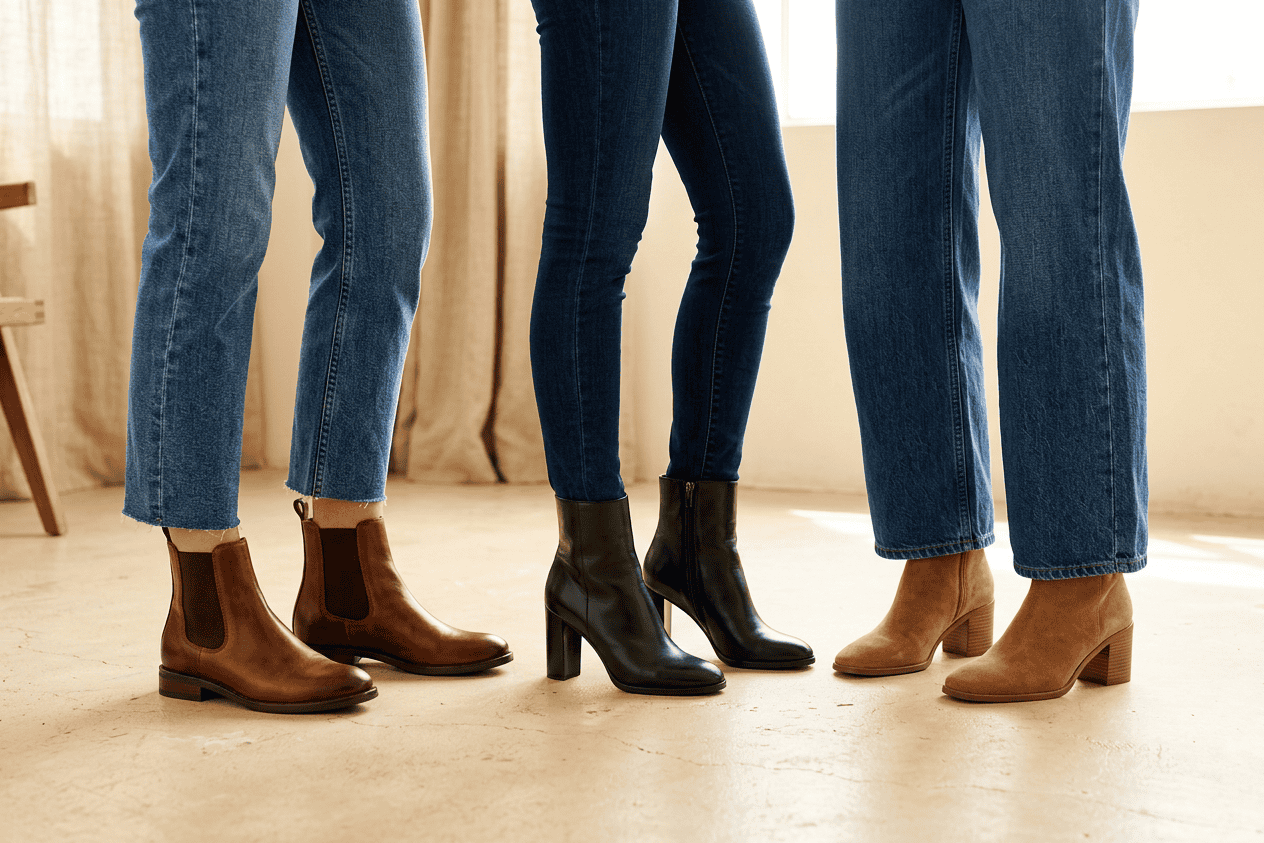
| 9. Loafers, flats or low block heels | Comfort for commuting and meetings | Broken in before the first day |
| 10. A clean sneaker | Casual days and the commute | White or neutral leather |
| 11. A structured bag | Holds a laptop and looks professional | Fits an A4 folder or laptop |
| 12. A coat that fits over the blazer | You will wear it daily in winter | See wool coat vs puffer |
With these twelve, the combinations multiply quickly. Two trousers, two shirts, two tops, a knit and a blazer already make well over a dozen different outfits, before shoes.
Step 2: Spend Where It Shows
You do not need to spend evenly. A simple order of priority:
- Fit first. A modest blazer that fits looks better than an expensive one that does not. If one piece is off, a tailor can often take in a waist or shorten a hem for a small fee.
- Spend more on what you wear most. Shoes, trousers and a coat see the most use. Basic tees and shells matter less.
- Spend less on trends. Anything very of-the-moment can wait until you know the office.
- Check second-hand and sales. Blazers, coats and leather shoes are common finds. Look at the seams, lining and any stains.
Before you buy, check the fabric label. Fabrics that wrinkle badly or turn see-through under office lights are the usual regrets. Hold the fabric up to a window in the store.
Step 3: Build the First Two Weeks
Plan outfits before day one, so mornings are easy. These formulas use only the list above.
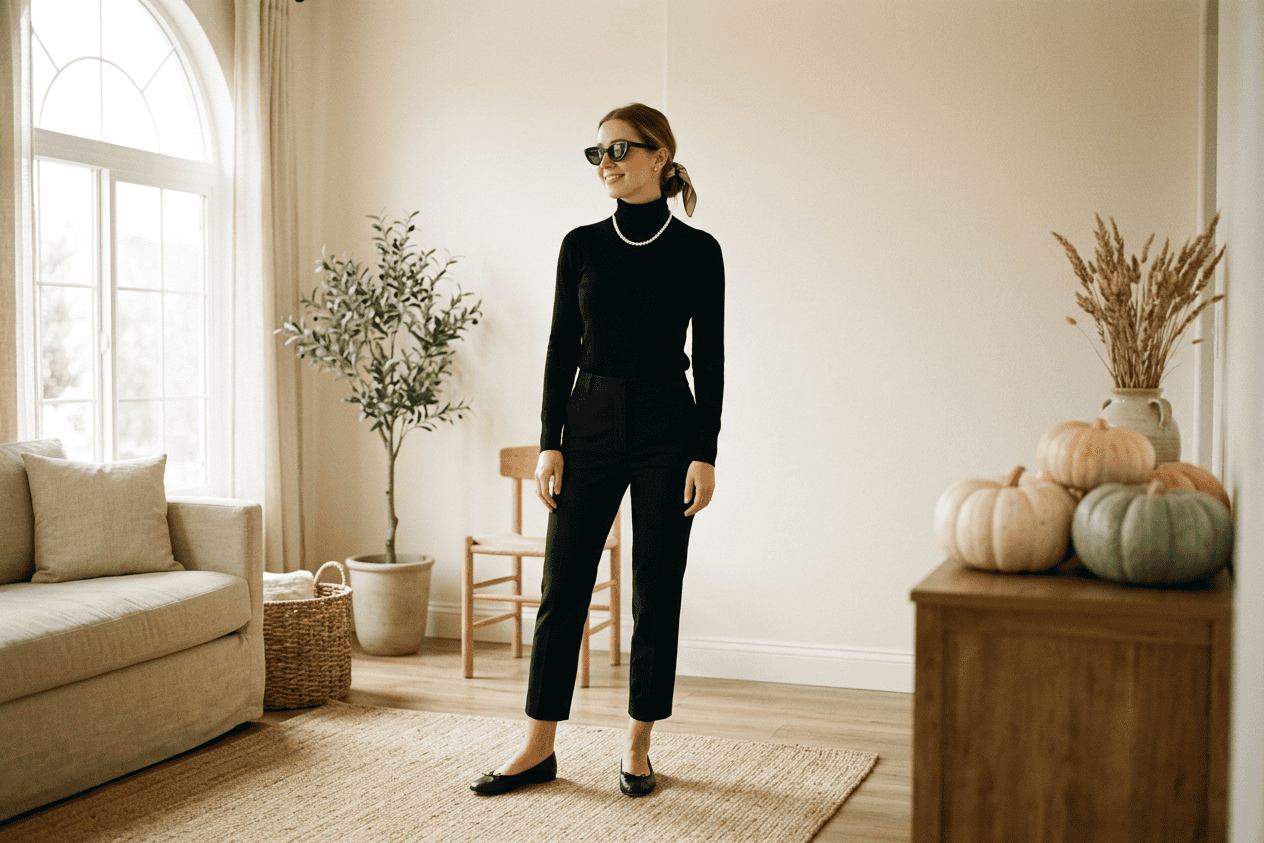
- Monday: Blazer, plain top, tailored trousers, loafers. The safest first day.
- Tuesday: Button-down, fine knit over it, second trousers.
- Wednesday: Dress or shirt dress, cardigan, flats.
- Thursday: Blazer over a knit, midi skirt, low heels.
- Friday: Dark jeans, button-down, blazer, clean sneakers (if the office allows jeans).
Repeat the formulas with the pieces swapped. Nobody keeps a log of what you wore on Tuesday. Repeating a well-fitting outfit looks consistent, not boring.
Mistakes That Make an Entry Level Wardrobe Feel Smaller
- Buying a lot of one color. Three navy items that never go with each other's tones are not three outfits.
- Ignoring comfort. If you dread the shoes by noon, you will stop wearing them.
- Buying for a version of you that does not exist. Be honest about how much ironing and dry cleaning you will really do.
- Skipping the cold-office layer. Many offices run cold. A knit you can keep at your desk helps.
- Forgetting the commute. Try the whole outfit while you walk, climb stairs and sit down.
Choosing Between Two Options
Early on, you will often have two outfits that both seem fine. Photograph each head to toe in the same light and look at them side by side. Ask which one looks more like the people you see in your office.
StylePal can act as a quick tie-breaker. You upload two outfit photos, add the occasion, and the AI picks the better one, scores each look and suggests small tweaks. It is a second opinion, not a replacement for your own judgment or your office's real dress code.
Frequently Asked Questions
What is an entry level wardrobe?
A small starter set of work clothes, usually about a dozen pieces in neutral colors, that mix and match for a first office job.
How many outfits do I need for my first week?
Five formulas built from a dozen pieces is enough. You can repeat items across days, since combinations will differ.
What should I buy first on a small budget?
Fitting trousers, a blazer, one pair of comfortable shoes and two shirts. Add the rest as you learn what the office wears.
Do I need a suit for an entry level office job?
Not unless your industry or employer expects one. Ask before you buy. A blazer with trousers covers most business casual offices.
Can I wear jeans in an entry level job?
Only if the office allows them. When in doubt, wait until you see what colleagues wear, then choose dark, plain pairs.
Are neutral colors boring?
They are flexible. Add personality with an accent: a scarf, a bag or a shirt color you like.