Capsule Wardrobe AI: How Smart Tech Is Changing the Way We Build a Minimalist Closet
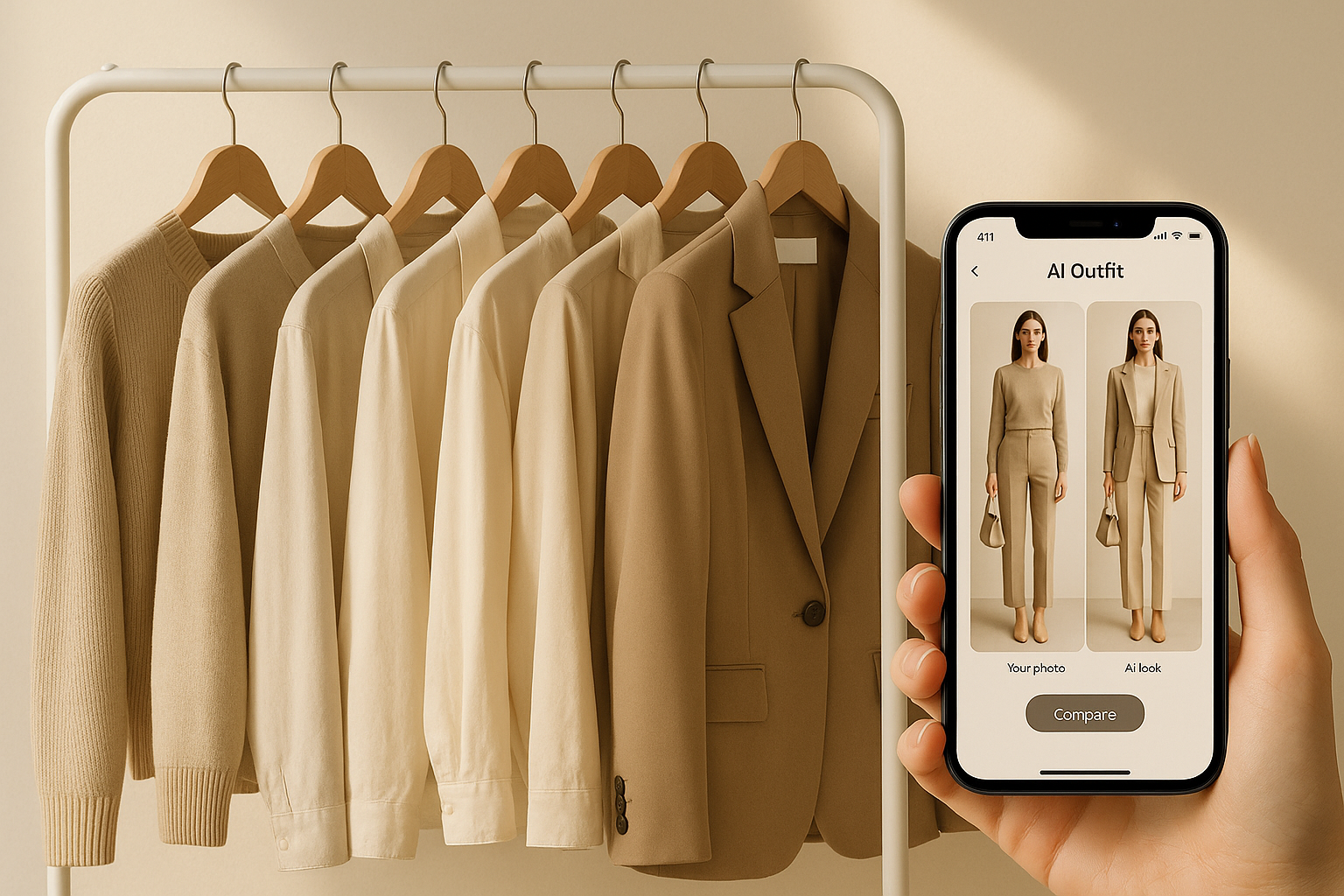
Building a capsule wardrobe used to mean gut instinct, a lot of trial and error, and at least one shopping mistake you'd regret by Thursday. But capsule wardrobe AI is changing that equation fast. In 2026, more people are using AI tools to curate smarter, leaner closets - and the results are genuinely good.
This isn't a niche thing anymore. The capsule wardrobe market was valued at $1.3 billion in 2023 and is projected to hit $2.6 billion by 2030. That's a 10.5% compound annual growth rate, driven largely by people getting serious about buying less and wearing more. AI is becoming the missing piece that makes that goal actually achievable.
What a Capsule Wardrobe Actually Is (and Isn't)
A capsule wardrobe is a small, intentional collection of pieces that all work together. The original concept came from Susie Faux in the 1970s, popularized later by Donna Karan. The idea is simple: instead of a closet stuffed with stuff you never wear, you keep only what earns its place.
Experts disagree on the magic number. Some say 20 items: one coat, three jackets, five bottoms, five tops, one dress, and five pairs of shoes. Others suggest 33 pieces as a comfortable starting point. The number matters less than the principle - every item should be versatile, flattering, and easy to combine.
What a capsule wardrobe is NOT is boring. Done right, it's actually more expressive than a chaotic closet. When everything fits together, you look more intentional. You spend less mental energy on getting dressed. And you stop accumulating things that don't serve you.
Why the Old Way of Building One Didn't Work
The traditional approach to building a capsule wardrobe goes like this: read a guide, buy the recommended basics, discover three of them don't actually work together in real life, feel vaguely defeated.
The problem is that generic advice ignores your actual style, body, lifestyle, and existing clothes. A white button-down might be a "classic essential" but if you've never once reached for white tops, it's not a classic for you. It's clutter in a nicer form.
This is where capsule wardrobe AI tools fill a real gap. Instead of blanket recommendations, they can analyze what you actually wear, what combinations look good on your specific body, and what gaps your existing wardrobe actually has.
How AI Is Changing Capsule Wardrobe Building in 2026
The shift is practical, not abstract. Here's what AI is actually doing:
Outfit testing before you commit. One of the hardest parts of building a capsule wardrobe is knowing whether a new piece will actually integrate with what you own. AI lets you test combinations visually before spending money. Upload photos of your existing clothes, see how they interact, and get an honest read on whether that new blazer actually works with your current pieces or just looks good in isolation.
Eliminating the guesswork from "does this work?" Even experienced dressers second-guess themselves. AI style ratings give you an objective signal. Not a definitive verdict, but enough to tip you from uncertain to confident. That's the difference between wearing something and leaving it on the hanger forever.
Identifying actual gaps vs. perceived ones. Most people think they need more clothes when what they actually need is more awareness of what they have. AI tools can surface what you're not using, what you keep reaching for, and what would unlock the most outfit combinations from your existing pieces.
Reducing returns and regret purchases. Studies consistently show that people wear about 20% of their wardrobe 80% of the time. AI helps you understand which pieces fall in which bucket before you buy more.
Building a Capsule Wardrobe With AI: A Practical Approach
You don't need a full wardrobe app with a digital closet to start. The process can be simpler than that.
Step 1: Do a real audit. Pull everything out. Yes, everything. Sort into three piles: wear regularly, wear occasionally, never wear. That "never wear" pile is your starting data point.
Step 2: Identify your actual lifestyle needs. How many days a week do you need work clothes? Do you dress up on weekends or live in casual fits? Be honest. A capsule wardrobe built for someone else's life will fail yours.
Step 3: Find your color palette. This is where a lot of people skip a step. A true capsule wardrobe should have a cohesive color story - neutrals that anchor everything, plus one or two accent colors that pop. If your wardrobe is all over the place color-wise, almost nothing will mix with anything else.
Step 4: Test combinations, not individual pieces. This is where capsule wardrobe AI earns its keep. Instead of looking at pieces in isolation, compare full outfits. Take photos of two different looks and see which actually lands. Apps like StylePal let you upload two outfit photos and get an AI-powered comparison in seconds. It's not about replacing your judgment; it's about getting a second opinion when you're on the fence.
Step 5: Fill gaps strategically. Once you know what you have and what works, only then should you shop. And shop with a specific gap in mind, not a vibe.
The Trends Driving Capsule Wardrobe AI Adoption
A few things are converging to make this a 2026 moment:
Sustainability fatigue with fast fashion. More consumers are connecting the dots between overconsumption and environmental impact. Capsule wardrobes are an actionable response. AI makes them easier to execute, which increases follow-through.
Decision fatigue is real. The average person makes thousands of micro-decisions a day. Getting dressed shouldn't be cognitively expensive. A well-built capsule wardrobe reduces morning friction. AI accelerates the building process.
Social media raising the stakes. People are hyper-aware of how they look in photos now. Whether you're posting or just conscious of it, there's more motivation to nail your look. Capsule wardrobe AI helps you see what actually photographs well, not just what looks okay in your bathroom mirror.
Quality over quantity becoming mainstream. The "buy less, buy better" mentality has moved from niche minimalist circles to the mainstream. People want fewer things that actually work.
What Competitors Are Missing
Most articles about capsule wardrobes give you a list of items to buy. They don't address the harder question: how do you know if the things you're combining actually look good together on your body, in your life?
Generic guides assume everyone has the same coloring, proportions, and lifestyle. They also assume you'll magically know what "works" when you see it. Real people don't always have that confidence, especially when building a new wardrobe from scratch or editing an existing one.
Capsule wardrobe AI fills that gap by moving from prescriptive (here's what to buy) to responsive (here's how your specific choices look). That's a fundamentally different and more useful approach.
A Few Things to Keep in Mind
AI is a tool, not a stylist. It's great for getting a second opinion or breaking a tie, but your personal comfort and confidence matter more than any rating. If you feel good in something, that counts.
Also, capsule wardrobes aren't static. They should evolve with your life. New job, new city, new season - your wardrobe should update accordingly. The AI tools that are most useful aren't the ones that lock you into a system, but the ones that make ongoing decisions easier.
Start small. You don't need to overhaul everything at once. Pick five pieces you wear constantly and build outward from there. Let AI help you figure out which new additions earn a spot.
The goal of a capsule wardrobe isn't perfection. It's a closet that works for you without requiring you to think about it too hard. In 2026, capsule wardrobe AI is the fastest path to getting there.