How to Choose an Outfit When You're Standing in Front of a Full Closet and Have Nothing to Wear
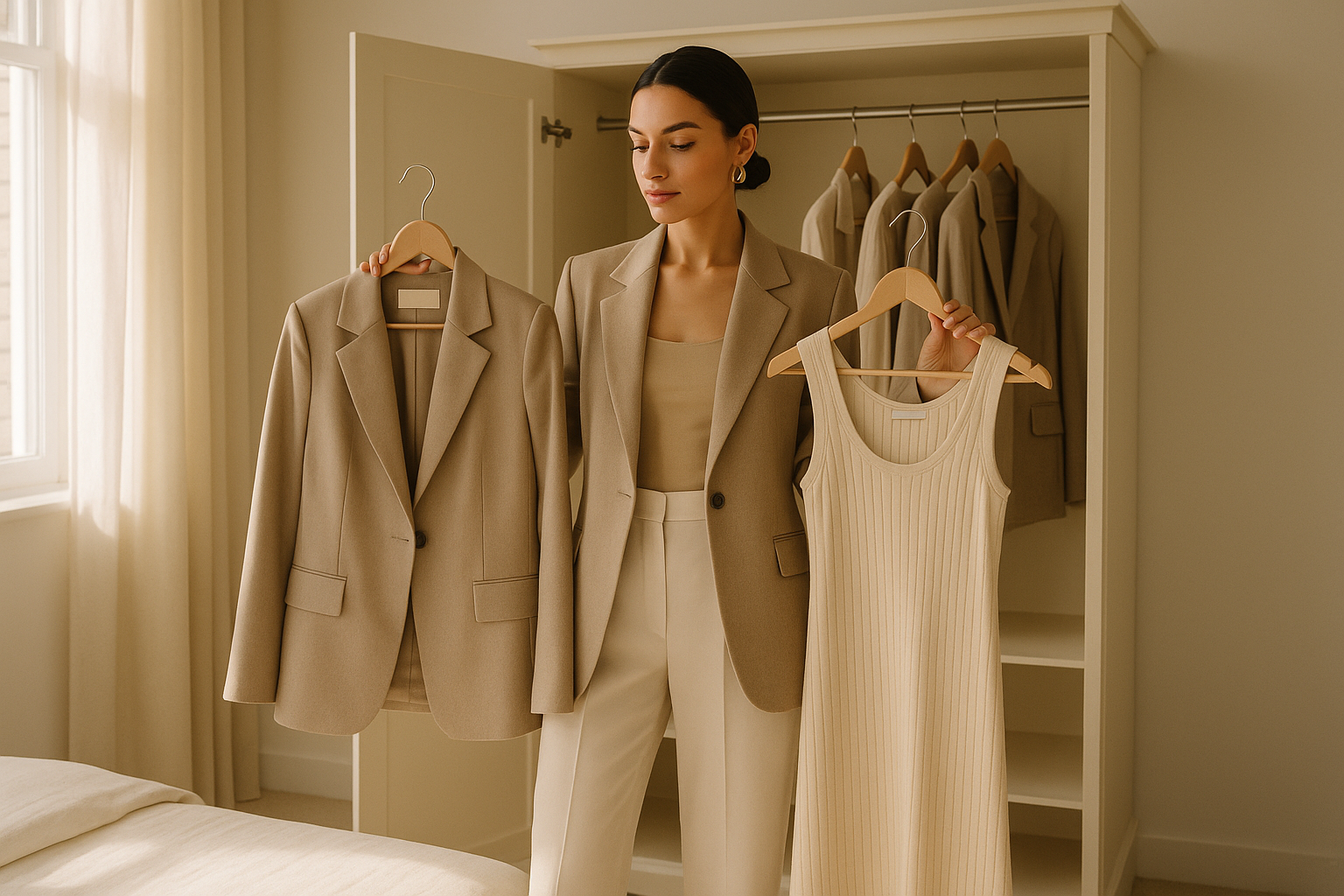
You own plenty of clothes. You know this. Yet somehow, every morning, you stand in front of a full closet and feel like you have nothing to wear.
Learning how to choose an outfit shouldn't be this hard. But for a lot of people, it genuinely is. Studies on decision fatigue show that the more choices you face, the harder each subsequent choice becomes. Picking an outfit is often one of the first decisions you make in a day - and if your process has no structure, you burn mental energy before 8am.
The good news: this is a solvable problem. Here's how to choose an outfit without the spinning and second-guessing.
---
Start With the Context, Not the Clothes
The single biggest mistake people make when choosing an outfit is starting with what they feel like wearing instead of what the situation actually calls for.
Before you open your closet, ask three questions:
- Where am I going? Work, a dinner, errands, a date - each has different visual expectations.
- Who will I be around? Your comfort level and the social energy of the environment matters.
- What am I doing physically? Standing all day? Sitting in meetings? Walking a lot? This changes everything from shoe choice to fabric.
Once you've answered those, you've already narrowed your options by 70%. Now you're not picking from your entire wardrobe. You're picking from the subset that actually works for today.
---
Build a Formula, Not an Outfit From Scratch Each Day
The people who always look good rarely reinvent the wheel. They have personal formulas - combinations they know work - and they rotate within them.
A formula is just a structure you trust:
- Top + bottom + one statement piece (a belt, a bag, a shoe)
- Neutral base + one color (black jeans, white top, red loafer)
- Monochromatic (different shades of the same color family - easy and always looks intentional)
- Dress + jacket + sneaker (the model-off-duty formula that works in most casual-to-smart casual settings)
You don't have to be creative every single day. Most style icons aren't. They have a small library of combinations they cycle through, tweaking based on the occasion and weather.
Write your go-to formulas down if it helps. Even just three solid combos reduces morning anxiety dramatically.
---
Use the Occasion Tier System
Not every event has the same dress code, and guessing wrong is worse than not caring. Here's a simple tier system:
Tier 1: Casual/Personal
Errands, working from home, low-key weekends. Comfort leads, but polished comfort is still better than just grabbing whatever. Jeans, clean sneakers, fitted tee = always works.
Tier 2: Smart Casual
Most social situations, dinners, weekend outings. This is where most people dress, and where most wardrobe gaps show up. The goal is intentional - not overdressed, not underdressed. Trousers or nice jeans, a real top (not a graphic tee), and shoes that aren't athletic.
Tier 3: Business Casual / Business
Office environments, client-facing days, interviews. Here, fit and grooming do most of the work. Even simple separates look sharp when they fit correctly.
Tier 4: Formal / Event
Weddings, galas, anything with a dress code in the invite. This tier usually requires planning ahead, not a last-minute decision.
When you're trying to choose an outfit, assign the day a tier first. It immediately rules out entire categories of clothing.
---
The "One Thing" Rule
When you're stuck, here's a technique that unsticks people almost every time.
Pick ONE thing you want to wear. Not a whole outfit. One item - the jeans you love, the top you bought last month and haven't worn yet, the boots you keep meaning to style. Then build the rest of the outfit around that one anchor piece.
This works because it takes a wide-open decision and turns it into a series of smaller, easier choices. Instead of "what do I wear?" you're asking "what works with this specific top?" - and that's a much more manageable question.
The anchor piece also gives you permission to make less inspired choices everywhere else. If the boots are the statement, the rest can be quiet and clean.
---
Fix the "Nothing to Wear" Problem at the Root
If you find yourself stuck on how to choose an outfit every single day, the real issue usually isn't indecision. It's a wardrobe gap.
A few common culprits:
Too many orphan pieces. These are items that don't work with anything else in your closet. A heavily embellished top, a statement skirt with no natural pair, a jacket in a very specific shade that only matches things you no longer own. These add volume without adding options.
The wrong ratio. Most people have far too many tops and not enough great bottoms or shoes. Bottoms and shoes are outfit anchors - they determine the formality and vibe. If yours are limited, your options shrink fast.
Keeping clothes that no longer fit. Aspirational clothes take up physical space and mental space. If something doesn't fit you now, it's not a real option - it's just noise.
Missing neutral basics. White, black, cream, navy, beige. These are the connective tissue of any wardrobe. If your basics aren't good, nothing links up.
Once you identify which gap is causing your morning frustration, it becomes a much more targeted shopping problem - not just "I need more clothes."
---
The Photo Test: Your Fastest Feedback Loop
One underrated trick for learning how to choose an outfit is to photograph yourself before you leave.
You don't have to post it anywhere. Just take a quick photo.
The camera sees things the mirror misses. Proportions read differently. Fit issues become more obvious. Colors that looked cohesive under bathroom lighting sometimes clash in natural light. And something about seeing yourself as an image - rather than a reflection - triggers a more honest, less habituated response.
Over time, reviewing these photos teaches you a lot. You start to notice patterns: which outfits you get compliments on, which ones you feel good in and look good in, which pieces keep showing up in the good photos and which ones never make it in.
If you want to speed this up, apps like StylePal let you upload two outfit photos and get an AI comparison - which reads better, which fits the occasion, which is the stronger choice. It's like asking a stylish friend for a second opinion, except the friend is available at 7:30am and doesn't judge you for the pile of rejected clothes on the floor.
---
How to Choose an Outfit When You're Running Late
You don't always have time for the full process. Here's the fastest version:
- Pick the occasion tier (10 seconds)
- Grab your most reliable formula (the one you always feel good in)
- Choose comfort over ambition - a perfectly executed simple outfit beats a pulled-together-but-stressful complex one
- Add one deliberate touch - a good bag, a clean shoe, a single piece of jewelry. This prevents the outfit from reading like you gave up.
When time is short, the answer is almost always: wear the thing you already know works.
---
The Longer-Term Play
If you want to get better at how to choose an outfit over time, the most effective thing you can do is pay attention to what already works.
When you get a compliment, note it. When you feel confident all day, remember what you were wearing. When photos turn out well, track which outfits are showing up consistently. Your best looks aren't random. There are patterns, and once you spot them, you can lean into them and stop wasting energy on variations that have never worked.
Fashion isn't about having the most clothes or following every trend. It's about knowing yourself well enough to get dressed with intention. That's a skill you build - and it gets easier the more deliberate you are about it.