How to Find Your Personal Style (Even If You Have No Idea Where to Start)
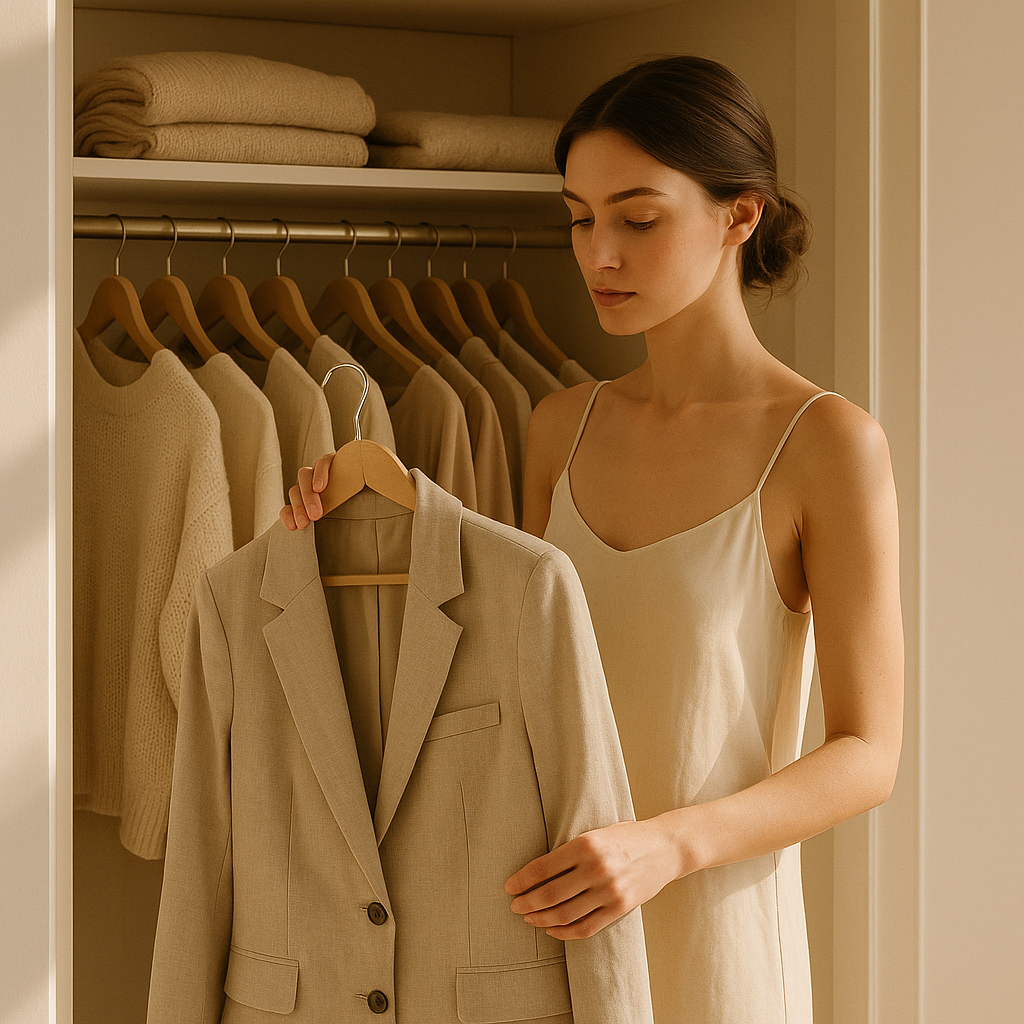
Most people don't stumble into a personal style. They build it, slowly, through a mix of trial, error, and a few really good outfits that made them feel like themselves. If you've ever stared into a packed closet and still felt like you had nothing to wear, chances are the problem isn't the clothes. It's that you haven't figured out how to find your personal style yet.
This guide won't tell you to copy a celebrity or follow a trend. It's about building something that's actually yours.
Why Personal Style Matters More Than Fashion
Fashion is what's on the rack. Style is what you put on your body. The two overlap, but they're not the same thing.
When you know your personal style, getting dressed stops being a daily negotiation with yourself. You buy less, wear more, and the stuff you own actually works together. You stop second-guessing yourself at the store and stop feeling buyer's remorse about things that looked great on the hanger and weird on you.
The goal isn't to look like a fashion editor. The goal is to feel consistently, reliably good in what you're wearing.
Step 1: Audit What You Already Have
Before buying anything or pinning anything, open your closet and look at what's actually in there.
Pull out the pieces you reach for on repeat. Not the ones you bought with good intentions. The ones you actually wear. Look at them as a group. What do they have in common?
- Are they mostly one color family?
- Are the silhouettes relaxed or structured?
- Do they skew casual or polished?
- What fabrics keep showing up?
This is your baseline. Whatever you already gravitate toward is real data about your taste.
Now look at the things you never wear. For each one, ask why. Did it never fit right? Did it feel "not like you" the moment you got it home? Was it an impulse buy because it was on sale? These are clues too.
Step 2: Gather Inspiration Without Copying Anyone
The best way to find your personal style is to collect images of outfits you actually want to wear, not just admire. There's a difference. Some clothes look incredible on a runway but you can immediately tell you'd never put them on your body. Other outfits make you think "I would wear that right now."
Save those. Pinterest boards work well. Screenshots in a phone album work too. Don't filter yourself at this stage. Just collect things that feel like you.
After a few days, look at the collection and find the patterns. Are you saving a lot of neutral tones? Structured blazers? Loose linen sets? Bold prints? The patterns in your saved images tell you what your eye is actually drawn to.
Step 3: Define a Few Core Words
Once you've audited your closet and gathered inspiration, you should start to see some recurring themes. Turn those themes into a few simple words that describe how you want to dress.
Not trends or aesthetics with specific names. Just words.
Examples:
- Clean, simple, comfortable
- Polished, feminine, put-together
- Bold, eclectic, layered
- Relaxed, earthy, lived-in
These words become your filter. When you're standing in a fitting room or looking at something online, you can ask: does this fit my words? If not, put it back.
Three to five words is plenty. Keep them honest. If "minimalist" feels right but you actually love statement jewelry, adjust the words to reflect how you really are, not how you think you should be.
Step 4: Identify Your Lifestyle Needs
Personal style has to work with your actual life, not the one you imagine having.
Think about where you actually spend your time. If you work from home five days a week, building a wardrobe around tailored office wear doesn't make sense. If you're constantly on the go between meetings and kids' pickup and dinner, you need clothes that can stretch across those contexts.
Map it out roughly. What are the three or four situations you dress for most often? Build your wardrobe around those. A great personal style isn't one that looks amazing in every theoretical scenario. It's one that covers your real life consistently.
Step 5: Test Outfits Before You Commit to Them
Here's a habit most people skip: actually trying combinations before wearing them out in the world.
Take photos of outfits when you're not in a rush. Put together something you're considering, photograph it, and look at the photo. A mirror will lie to you in subtle ways. A photo doesn't. You'll notice immediately if the proportions feel off, if the colors clash, or if something just looks strange.
This is where tools like StylePal come in. You can upload photos of outfit options and get real feedback on how they look together, what works visually, and what might need adjusting. It's like having a second set of eyes that's specifically looking at the outfit rather than your face or your mood.
The trial-and-error part of finding your personal style is unavoidable. But you can shorten the cycle significantly by testing before you commit.
Step 6: Build Around Anchors
Once you have a clearer sense of your style words and your lifestyle needs, start identifying anchors. These are the pieces in your wardrobe that feel most like you and work with everything else.
Most people have two or three of these already. Maybe it's a perfectly-fitting pair of straight-leg jeans. A great white shirt. A blazer that makes you feel sharp. A leather bag that goes with everything.
Anchors are not basics for the sake of basics. They're basics for you specifically. The pieces you'd rebuild the whole wardrobe around if you had to start over.
From there, everything else you buy should connect to at least one anchor. If it doesn't, it's probably going to end up in the "never wear" pile.
Step 7: Give It Time and Adjust
Finding your personal style isn't a one-afternoon project. It's a process that takes a few months of actual wearing and noticing how you feel.
Some things you think will be core pieces won't stick. Others will surprise you. Pay attention to the days when you felt good in what you wore and the days when you didn't. Ask yourself why each time.
Over time, you'll start to see the pattern clearly. And once you see it, it becomes easy to trust.
Use StylePal to keep a visual log as you go. Photographing your outfits regularly and reviewing them later is one of the fastest ways to spot what's working and what isn't. Pattern recognition is hard in the moment but obvious in retrospect.
The Shortcut That Actually Works
There's no perfect shortcut to finding your personal style, but the closest thing is paying attention.
Pay attention to what you reach for. Pay attention to what you avoid. Pay attention to how you feel at the end of a day when you liked your outfit versus when you didn't. That data adds up fast.
The closet full of things you love but never wear is a clarity problem, not a shopping problem. Fix the clarity first, and the wardrobe follows.
Start with step one. Just open the closet.