How to Dress Better with AI (A Practical Guide That Actually Works)
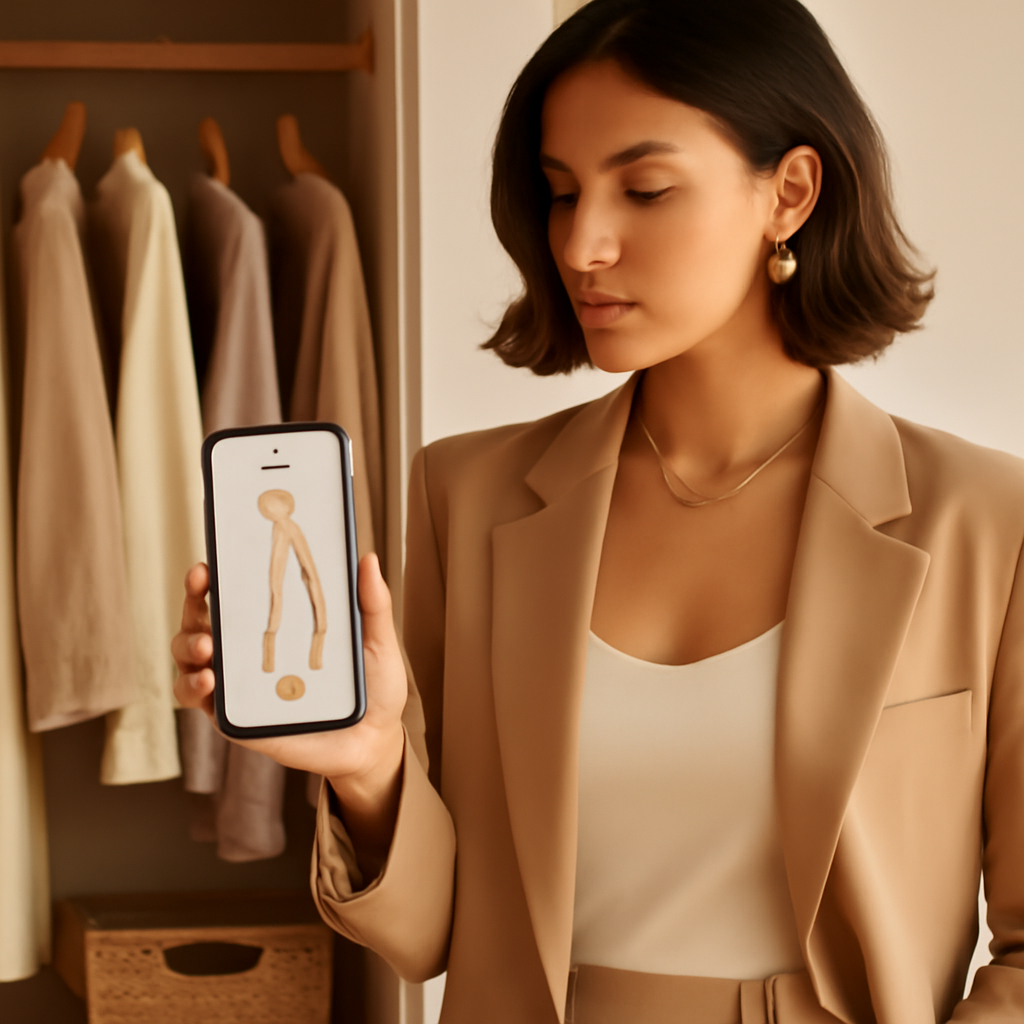
Most style advice is vague. "Wear what fits your body." "Invest in classics." "Know your undertone." Great. But when you're standing in front of your closet at 7:45 AM, none of that helps you decide between the navy blazer and the camel coat.
That's where learning how to dress better with AI actually changes things. Not the theoretical stuff, but real, applied feedback on what you're actually wearing, in real time. AI tools have quietly gotten good enough to be genuinely useful, and most people aren't using them yet.
Here's how to make them work for you.
Why Traditional Style Advice Falls Short
Style is personal. What looks incredible on a fashion blogger might look completely wrong on you, not because you're doing anything wrong, but because you have different coloring, proportions, or a different lifestyle.
A McKinsey report found that 70% of consumers say personalization is a key factor in their purchasing decisions. The same logic applies to style advice. Generic tips have a low hit rate because they weren't designed for you specifically.
That's the gap AI fills. When you upload a photo of yourself in an actual outfit, an AI tool responds to your specific look, not a hypothetical person.
The Biggest Mistake People Make
They try to learn style intellectually instead of visually.
You can read 50 articles about color theory and still not know whether the burgundy top and olive pants you're wearing right now look cohesive or chaotic. Understanding concepts doesn't tell you how those concepts apply to your specific wardrobe.
The fix is photo-based feedback. When you can see your outfit objectively, patterns emerge fast. You start noticing what actually works versus what you thought would work. That's the foundation of dressing better, and AI accelerates it significantly.
How to Dress Better with AI: 5 Practical Approaches
1. Use AI Comparison to Break Tie-Breaking Paralysis
The most common morning problem isn't having nothing to wear. It's having two options and not knowing which one to choose.
This is where AI outfit comparison shines. Instead of going with your gut (which often defaults to what's more comfortable, not what looks better), you upload both options and get an instant assessment.
StylePal is built exactly for this. You upload two outfit photos side by side and the app rates them on style, cohesion, and overall look. It tells you which one is stronger and why. Not a generic tip, an actual response to what you're wearing.
The more you use it, the more you start understanding why certain outfits score higher. You pick up on patterns. You start building outfits that you already know will land.
2. Build a Photo Archive of Your Best Outfits
This sounds tedious but takes about 10 seconds per outfit. When you wear something that feels good, take a photo of it before you leave.
Over a few weeks, you'll have a personal lookbook. When you're stuck, you flip through it instead of starting from scratch. When you're shopping, you can check whether a new piece would integrate with what you already own.
AI tools can help you analyze this archive too. Run your best outfits through a comparison tool and see what they have in common. You'll usually find 2-3 consistent elements, whether that's a color palette, a silhouette, or a recurring type of layering.
That's your style in data form.
3. Test Outfits Before You Commit to Buying
Returns are a pain. More importantly, impulse purchases that don't integrate with your wardrobe are why most people feel like they have nothing to wear despite owning a full closet.
Before buying something new, photograph yourself in it, whether that's trying it on in the store or during a return window at home, and run it through an AI rating app. Pair it with things you already own and see how it actually looks, not how it looked on the model.
This process saves money and closet space. It also trains you to shop more intentionally, which is one of the fastest ways to dress better over time.
4. Use AI to Learn What Colors Work for You
Color is one of the highest-impact style variables and one of the hardest to self-assess. Humans are not great at evaluating how colors near their face affect their appearance. It's just not a natural skill.
AI tools that analyze outfit photos can give you consistent feedback about color combinations. Over time, you'll notice that certain colors appear in your highest-rated outfits and others never do. That's not coincidence. That's data about what works for your coloring and style.
You don't need to take a formal color analysis course to figure this out. You just need a few weeks of tracking.
5. Use Style AI for Low-Stakes Experimentation
The biggest barrier to dressing better is risk aversion. Wearing something new or unexpected feels vulnerable. If it doesn't land, you feel self-conscious all day.
AI lowers that barrier. Before you commit to wearing something outside your comfort zone, you can run it through an outfit rating app and get a read on whether it works. If it scores well, you leave the house with more confidence. If it doesn't, you're not guessing anymore. You know, and you can swap before you walk out the door.
This is how experimentation becomes less stressful and how your style range actually expands over time.
What AI Can't Do (And Why That Matters)
AI is a tool, not a stylist. It gives you fast, visual feedback on what you're wearing. It doesn't know your office culture, your body insecurities, or the specific event you're dressing for.
Use it for what it's actually good at: objective visual feedback, outfit comparison, and pattern recognition across your own wardrobe. Combine that with your own judgment about context and comfort and you have something more powerful than either alone.
A 2024 study from Klarna found that consumers who use personalized style tools report making better purchasing decisions and feeling more confident in their wardrobe choices. The technology isn't replacing style instinct. It's sharpening it.
Building the Habit
The people who actually dress better over time are the ones who treat it like a practice, not a one-time fix.
That means:
- Taking outfit photos before you leave
- Running uncertain choices through an AI tool instead of just guessing
- Noting what scores well and what doesn't
- Shopping with your archive in mind
It doesn't require a big time investment. Most days it's 2-3 minutes. But those minutes compound. After a few months, you have real data about what works for you, and you stop second-guessing yourself as much.
The Fastest Path to Dressing Better
If you want one place to start, start with comparison.
Pick two outfits you're genuinely unsure about, upload them to StylePal, and see what the AI says. Not to follow the rating blindly, but to get outside your own head and see your outfits the way other people see them.
That's the shift. Most of us are too close to our own clothes to see them clearly. A little objective feedback goes a long way.
Dressing better with AI isn't about outsourcing your style. It's about getting faster, clearer feedback on what you're already doing, so you can improve it.