The Best Fashion Apps to Try in 2026 (For Outfits, Wardrobe, and Style)
The best fashion apps to try in 2026 are not the ones with the flashiest ads. They are the ones that quietly fix a small daily problem, like standing in front of a full closet with nothing to wear, or buying a top you already own in a slightly different color. There are a lot of them now. The wardrobe app market alone was worth around 3.5 billion dollars in 2026 and is projected to more than double by 2033, which means the app stores are crowded and it is hard to tell what is genuinely useful from what is just a pretty closet grid.
So this is not a ranked list where one app wins. Fashion is personal, and the best fashion apps to try depend on what you are actually trying to get done. Below they are grouped by job. Pick the one that matches the thing that annoys you most, download it, and ignore the rest until you need them.
Best for deciding what to wear: StylePal
Most fashion apps assume your problem is organization. Often the real problem is decision. You have two good options laid out on the bed and you cannot tell which one is better for where you are going.
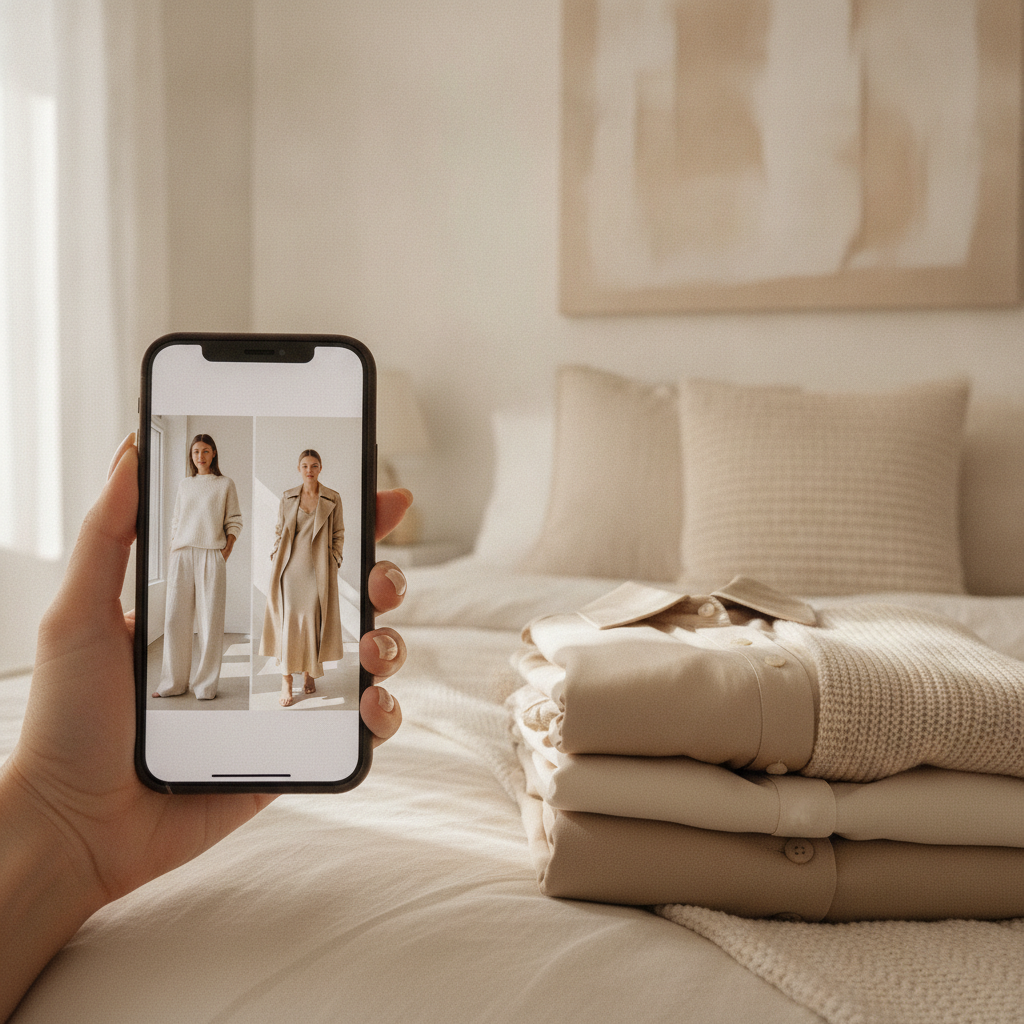
StylePal is built for exactly that moment. You take a photo of each outfit, and the AI compares them side by side, rates them, and tells you why one works better for the occasion you type in. It is not trying to catalog your entire wardrobe or sell you anything. It settles the this-or-that question in about ten seconds, which is the decision most people are actually stuck on in the morning.
It is free to download on both iOS and Android, and because it works from photos, you do not have to spend an evening uploading every item you own before you get value out of it. If your friends are tired of you texting them outfit pictures, this is the app that replaces them.
Best for organizing your closet: Whering
If your problem is that you own too much and remember too little, a digital closet is the fix. Whering is the strongest free option in 2026. You photograph your clothes, it removes the backgrounds automatically, and you get a searchable grid of everything you own.
Where it earns its spot is the extras that usually sit behind a paywall in other apps. Whering gives you weather-aware outfit suggestions and cost-per-wear tracking without a subscription, so you can finally see that the 200 dollar coat you wear constantly was a better buy than the cheap dress you wore once. It rewards you for using what you already have.
Best for wardrobe analytics and human help: Indyx
Indyx is the closet app for people who want data and, occasionally, a real person. It organizes your wardrobe cleanly and gives you analytics on what you actually wear versus what just takes up space.
Its real differentiator is human styling. You can hire a professional stylist through the app to build outfits from clothes you already own, with services starting around 60 dollars. That sits between doing it all yourself and paying for a full in-person styling session. If you have hit a rut and want a fresh eye without buying anything new, this is the one to try.
Best budget all-rounder: Acloset
Acloset packs the most features for the lowest price. It is an AI fashion assistant that does digital wardrobe storage, outfit suggestions, and planning without asking much of your wallet. If you want to test what a full-featured closet app feels like before committing money, Acloset is the low-risk way in.
Best for planning your whole week: Cladwell
Some people do not want to decide every single morning. They want to batch it. Cladwell is one of the few apps that generates a full seven-day outfit plan automatically, which makes it a favorite for capsule wardrobe fans and Sunday planners. You tell it what you have, it builds the week, and you stop thinking about it until laundry day.
Best no-subscription classic: Stylebook
Subscriptions have quietly taken over the app store, which makes Stylebook refreshing. It is a one-time purchase, around 5.99 dollars on iOS, and it has been a reliable digital closet for years. There is no monthly bill and no pressure. If you dislike renting software and just want a well-made tool you own outright, this is your pick.
Best for shopping secondhand: Depop and Vestiaire Collective
The best fashion apps to try are not only about the clothes you already own. Resale is one of the fastest growing corners of fashion, and it is now where a lot of the good stuff lives. Depop is the app for trend-driven, affordable secondhand pieces and a younger, community feel. Vestiaire Collective is the one for verified designer and luxury resale when you want something special that will hold its value.
Buying secondhand also pairs surprisingly well with a closet app. When you can see what you already own, you stop buying near-duplicates and start filling actual gaps.
Best for inspiration without the doom-scroll: Pinterest
Pinterest is old news, but it is still the most useful inspiration tool in fashion, and in 2026 its visual search is genuinely good. You can save a look you love, break it down into pieces, and search for similar items. The trick is to treat it like a mood board with a purpose, not an endless feed. Build one board for the season, pull three or four looks you would actually wear, and stop there.
Best all-in-one AI stylist: Beauty AI
If you would rather have one app that tries to do most of it, Beauty AI is the current all-rounder. It combines AI styling, outfit feedback, a digital wardrobe, and photo-based clothing search in a single place. The tradeoff with any all-in-one is depth. It does many things reasonably well rather than one thing brilliantly, so it suits people who want a single download instead of a small toolkit. If you already know your one big pain point, a focused app will usually beat it. If you are just starting out and want to explore what these tools can do, it is a sensible first stop.
How to actually use these together
You do not need all of these. Stacking ten fashion apps is its own kind of clutter. The people who get the most out of them usually run a small combination, something like one closet app to know what they own, one decision app for the daily what-do-I-wear question, and one resale or inspiration app for when they genuinely want something new.
A simple starting setup looks like this. Use Whering or Indyx to digitize your closet once. Use StylePal in the moment when you are stuck between two outfits. Use Pinterest or Depop only when you have a real gap to fill, not out of boredom. That covers organization, decision, and discovery without turning getting dressed into a second job.
One more thing worth remembering. A bigger wardrobe does not make choosing easier, it usually makes it harder. The apps that help most are the ones that shrink the number of decisions you have to make, not the ones that add more features to scroll through. When you test the best fashion apps to try this year, judge them on that. Did getting dressed get faster and less stressful, or did you just gain another thing to manage?
If the honest answer is that you mostly get stuck choosing between two options you already like, start with the decision problem first. Everything else can wait.